Ernest T.
Face à face, François Coadou, 2026
Semiose éditions
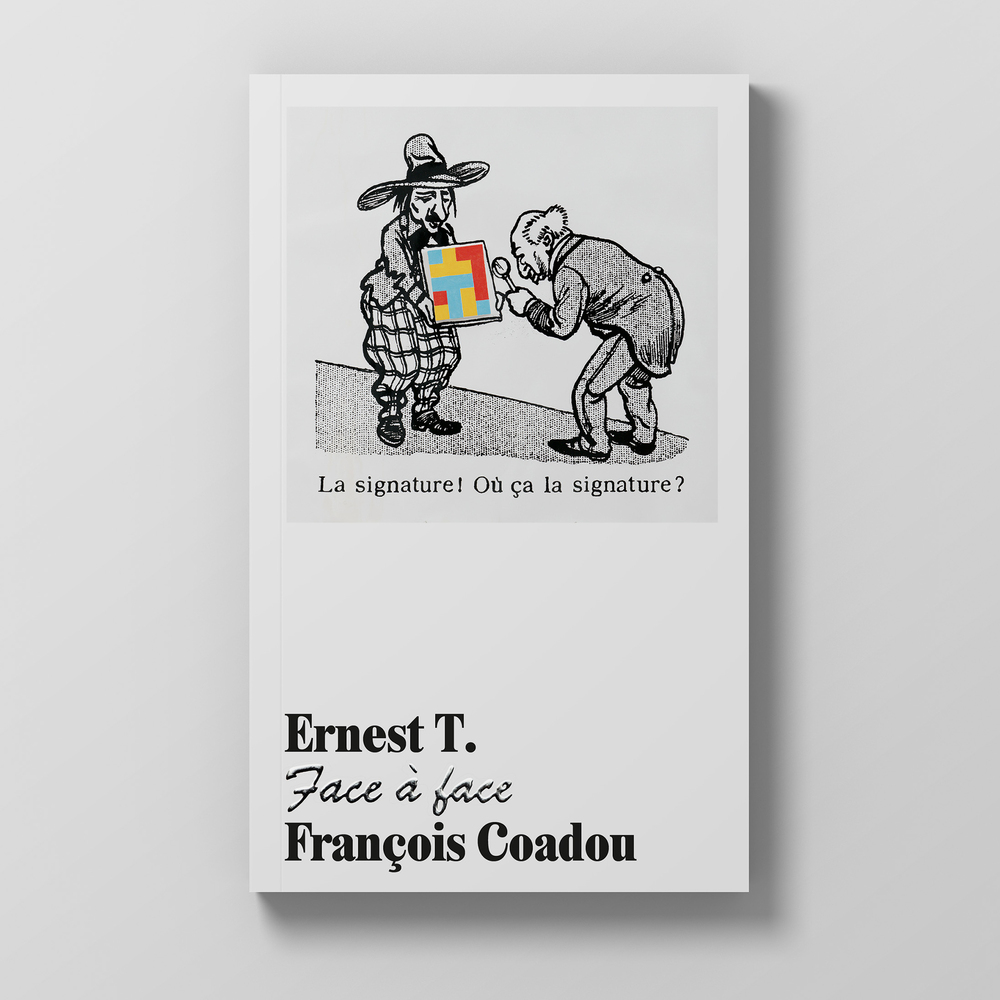
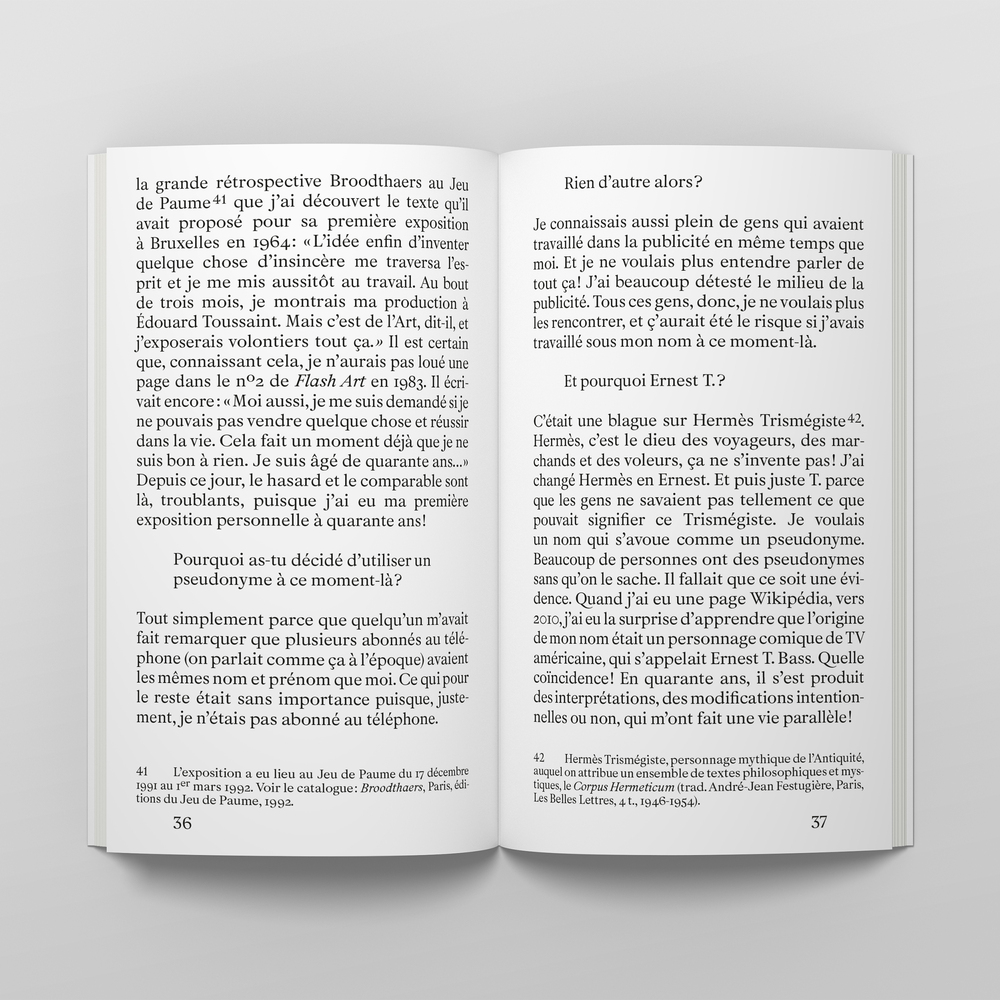
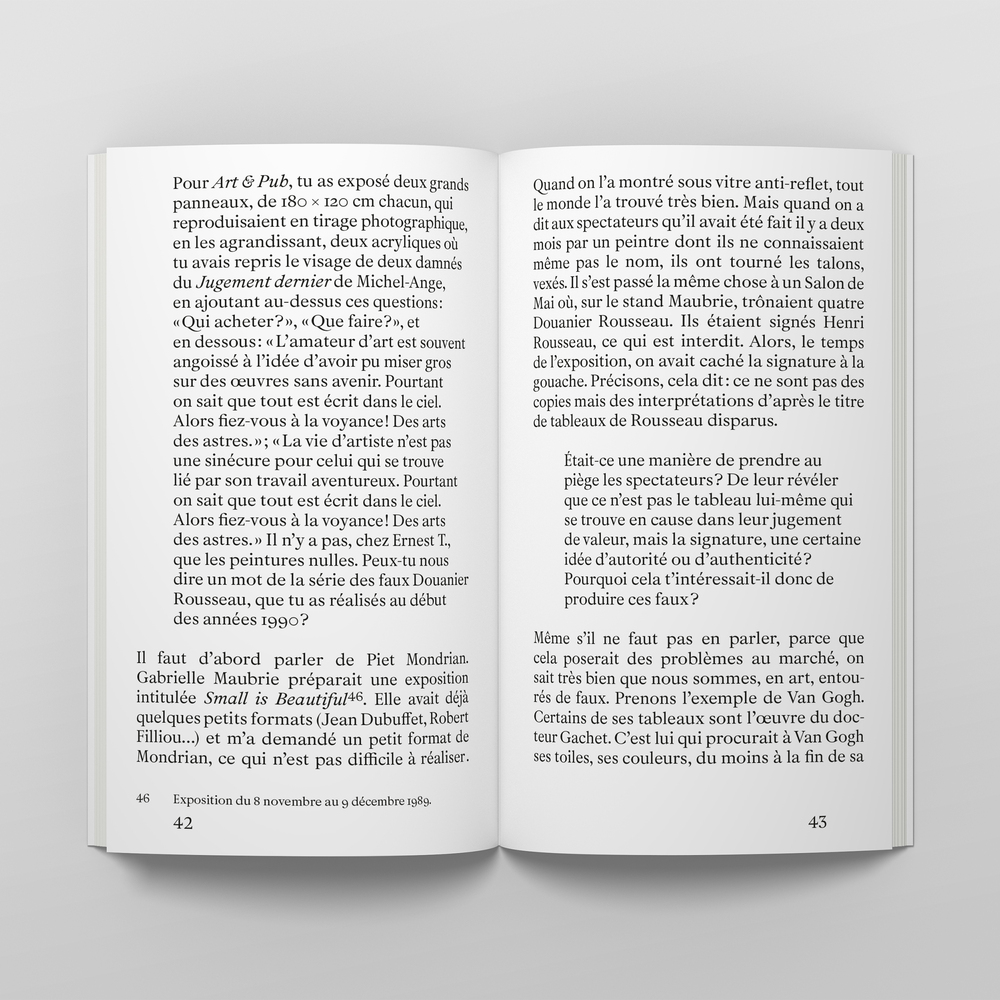
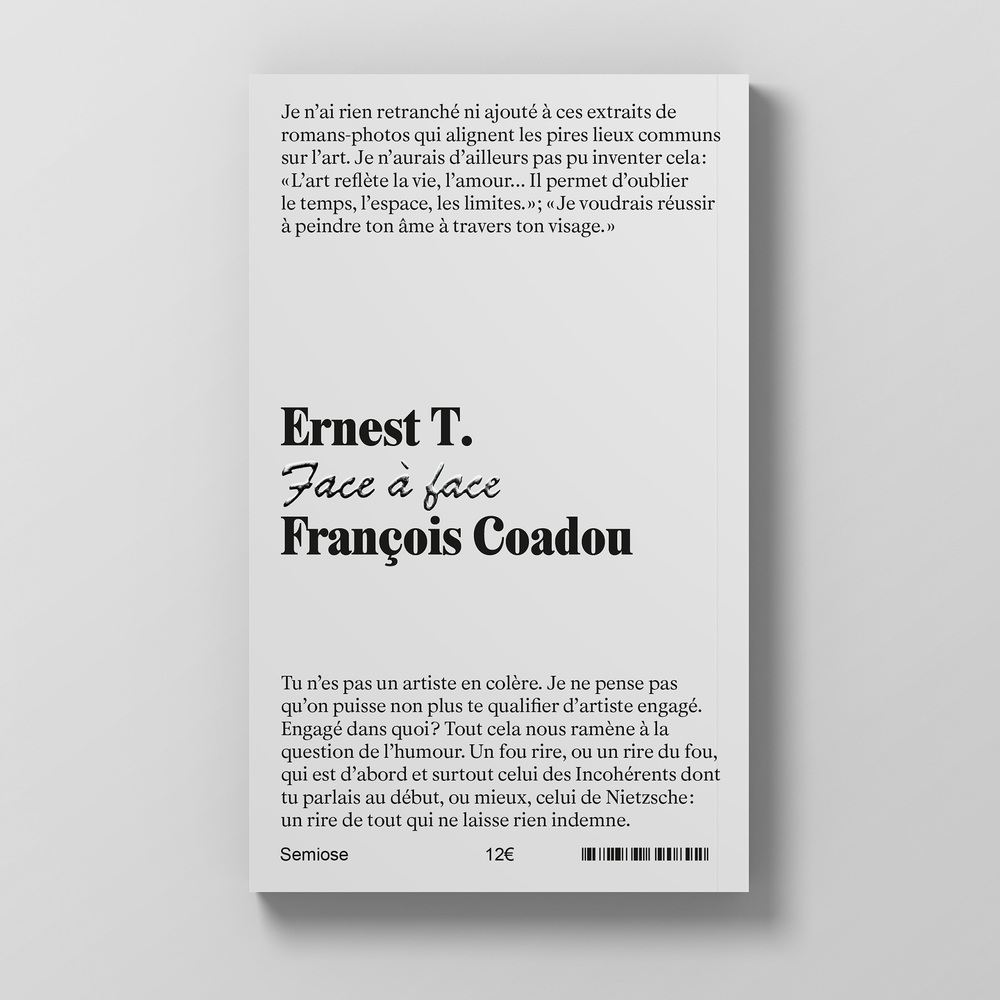
In this erudite conversation with the historian and philosopher François Coadou, Ernest T. elaborates on his most daring misdeeds, slips in a few well-deserved jibes and shares memories from his earliest childhood days. We follow the musings of a post-war child who already detested religion, found school horribly boring and preferred to let his imaginary world take shape through illustrated dictionaries. His arrival in Paris, the applied arts and the booksellers along the quays of the Seine, and above all the political context of the "Algerian Situation" and May 1968 shaped his artistic development. Between his early bread and butter jobs, he honed his style through caricatures for the press and commercial illustration, before setting forth on a more personal artistic path.
During this interview, he recalls his many encounters with leading figures of Surrealism (Maurice Henry, Achille Chavée, Pol Bury, André Balthazar...), Situationism and many of Paris' anti-establishment artists dedicated to the creation of provocative images (Cavanna, Topor, Siné...).
Ernest T.
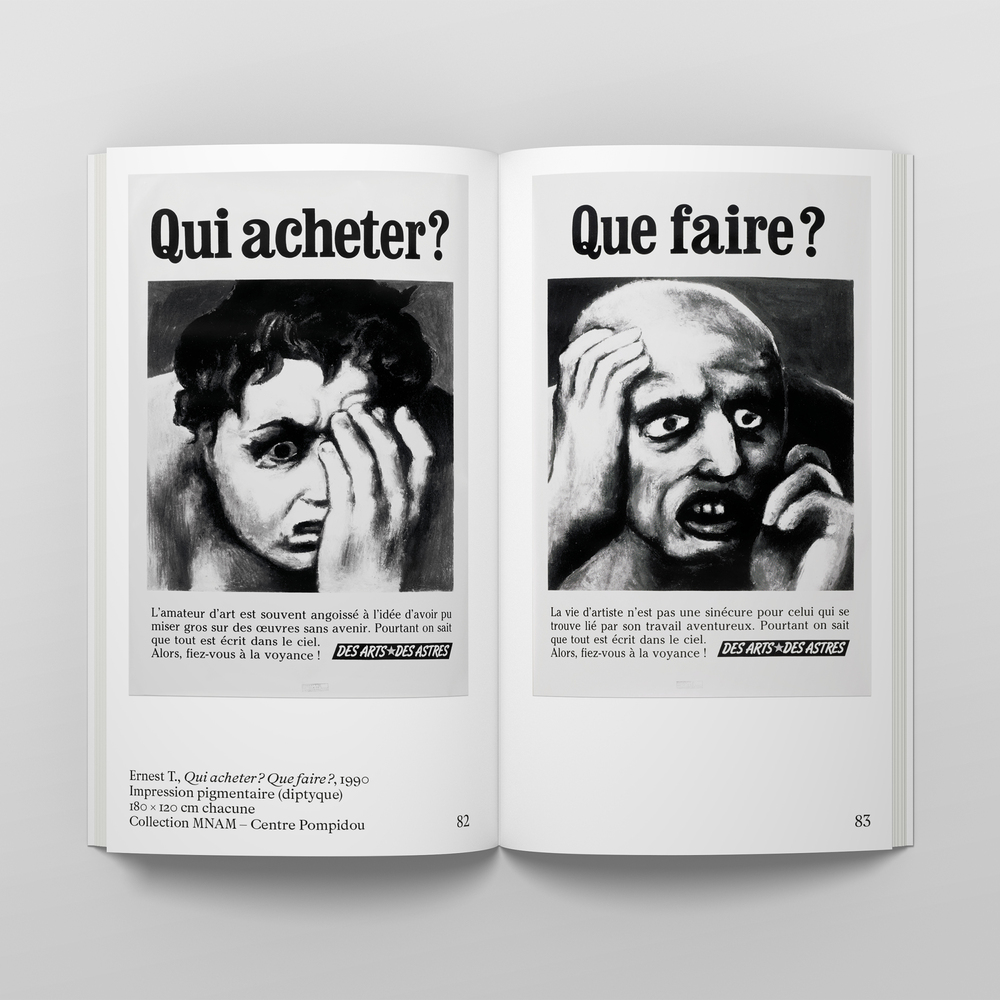
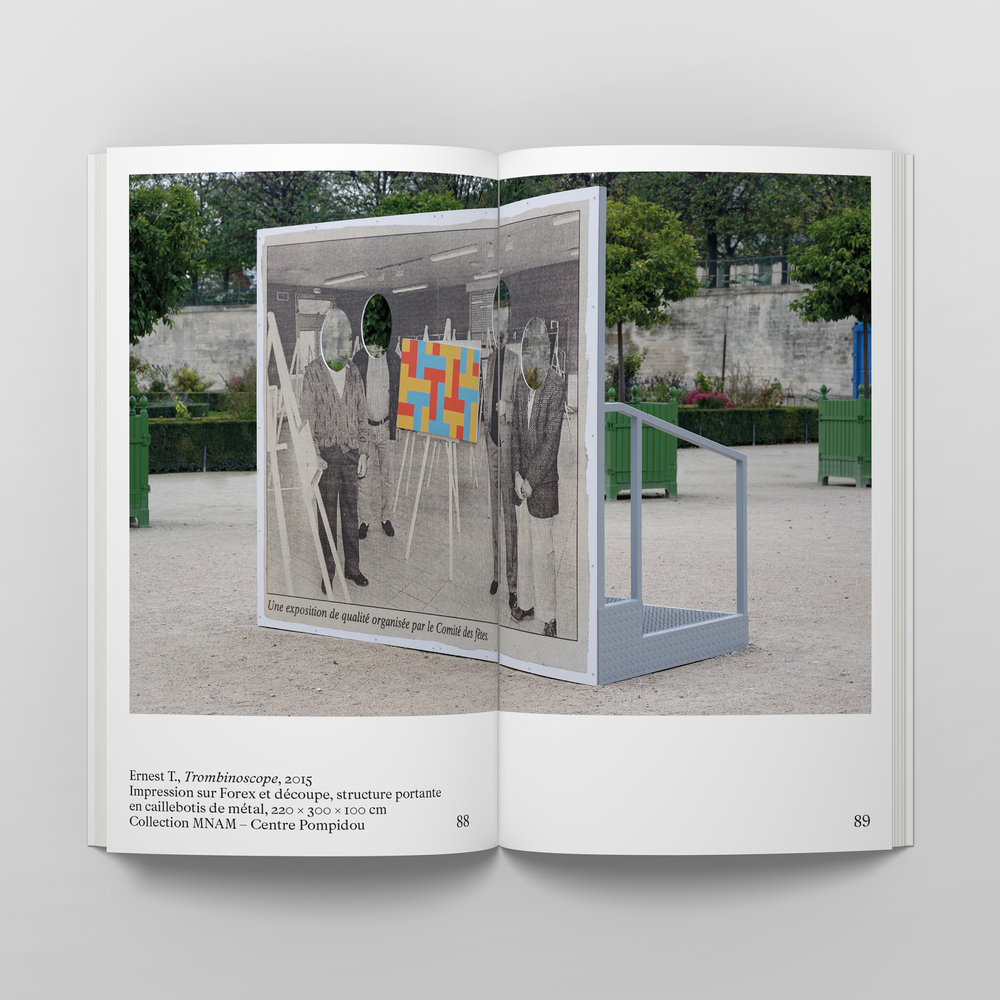
Going under a pseudonym borrowed from a character in an American comedy show, Ernest T. is a French artist whose work is in line with Dadaism and the Incoherents. His oeuvre, takes a swipe at the heavily coded and overwhelmingly serious world of contemporary art, in a subversive and conceptual manner. Through the use of misappropriation, image manipulation and even plagiarism, enhanced by linguistic games and caricatured drawings, the artist examines the world of art from the perspective of its moral turpitude, greed and other pretentions.
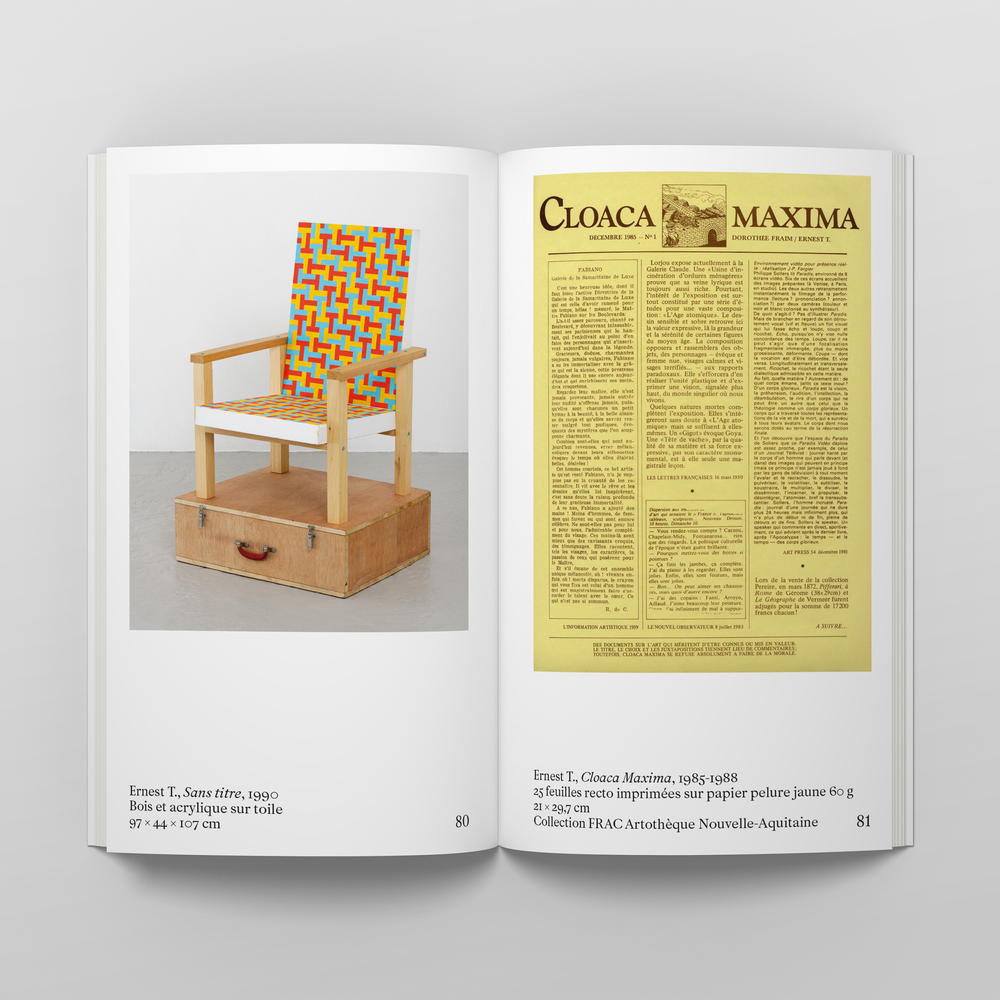
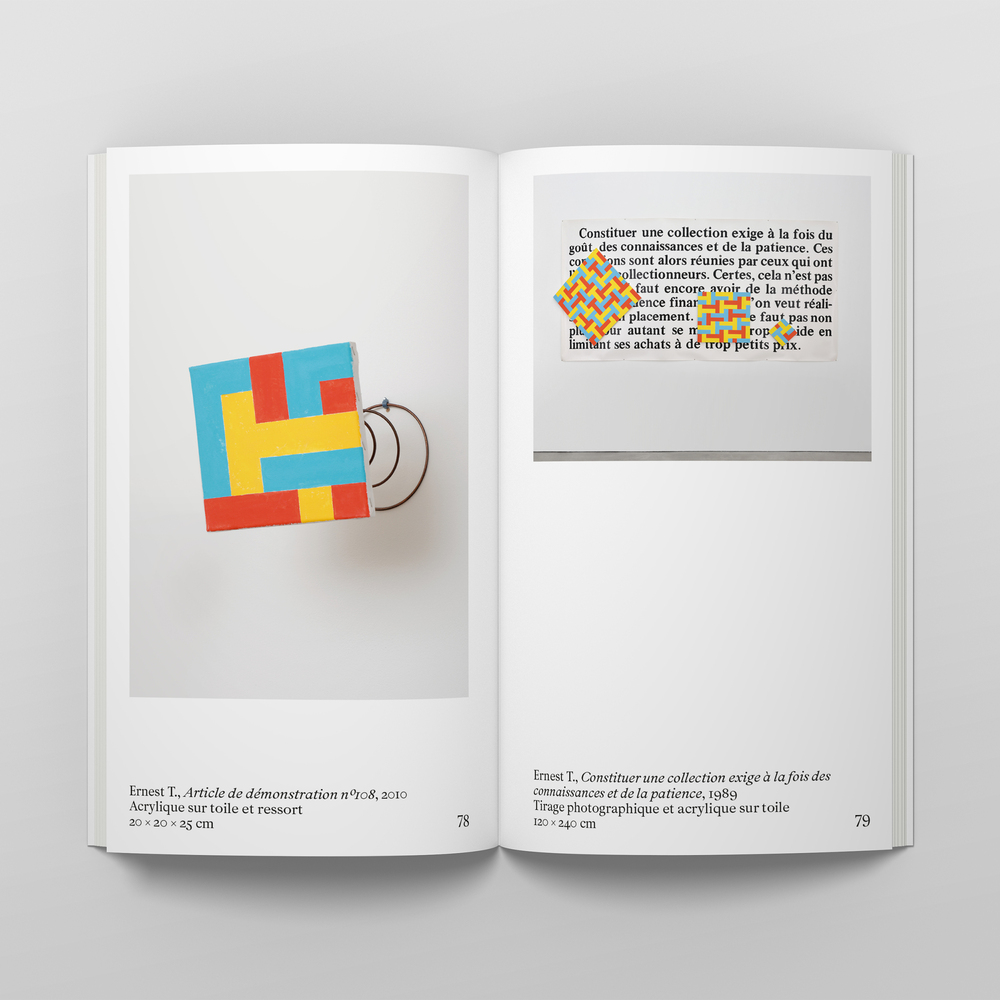
Ernest T. began his artistic experimentation in the 1960s with a collection of small, comic calendars, which eventually ended up as a series under the name Dessins français (French Drawings). During the 1980s, he created his pseudonym and began to work on his well-known series Peintures nulles (Useless Paintings), which he envisaged as ‘Painting Degree Zero’. In reaction to the phenomenon of the idolization of the artist, which valued the signature more than the work itself, Ernest T. produced a number of paintings where his signature took over the whole canvas. These works followed a protocol in which capital ‘T’s, painted in three primary colors, dovetail with each other in the manner of Penrose tiling, where letters of the same color never touch each other. These narcissistic arrangements are integrated into offbeat sketches that mock the legitimization processes of art as well as other practices linked with the signature of a work, its authenticity, its hidden meanings, etc.
Ernest T’s works are included in the collections of the Musée national d'art moderne - Pompidou Center (FR), the CNAP, Paris (FR), the MAMCO in Geneva (CH), the IAC Villeurbanne and numerous regional contemporary art centers across France.